How Do You Regrade a Gravel Driveway and Fix Ruts?
Lasting rut repair starts with the reason the driveway failed. Regrading should restore the surface shape, move water off the traveled path, correct weak areas, add compatible material where needed and compact the finished surface.
Do not simply dump loose gravel into the wheel ruts. First inspect drainage, gravel depth and the firmness of the base. Loosen or cut the surrounding surface as needed, pull usable material back from the edges, rebuild the intended crown or cross slope, add compatible driveway aggregate where the layer is thin, and compact the reshaped surface. Deep soft spots may require base repair rather than ordinary grading.
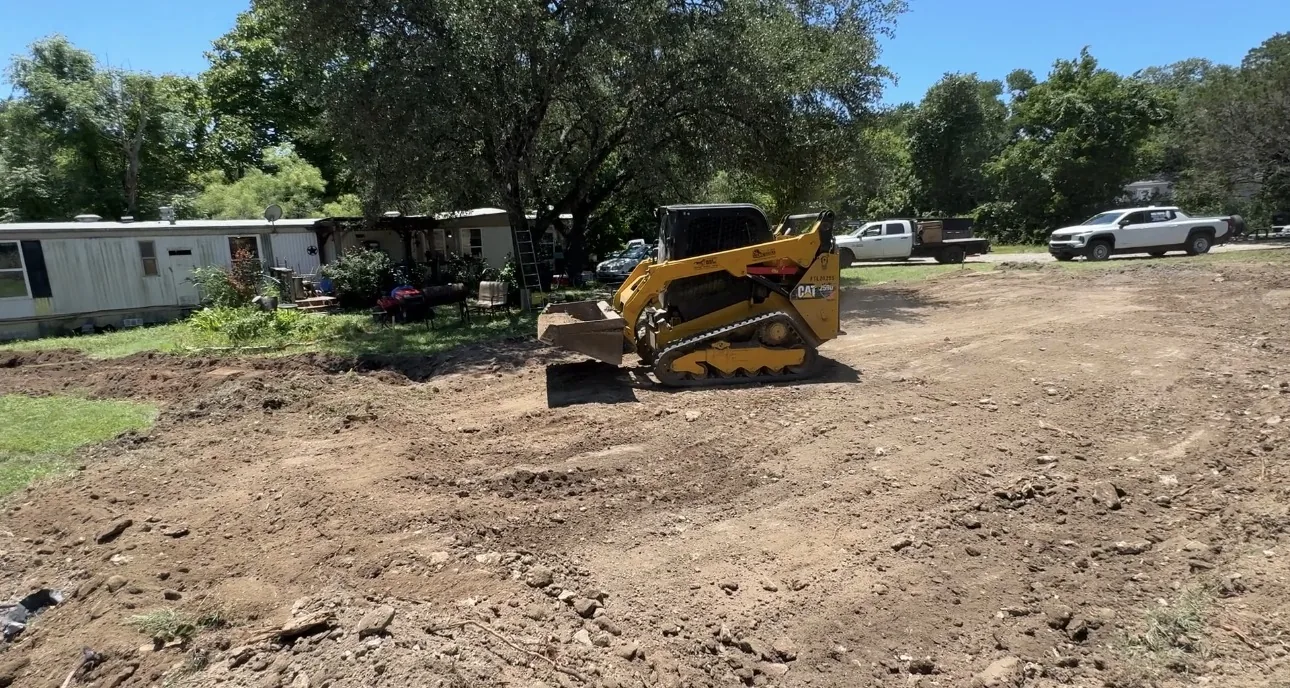
For a full residential driveway with open access, the CAT 259D compact track loader is the first Noble machine to consider. Its approved general-purpose bucket is available for gravel, loading and grading. The machine is heavy and wide enough that the driveway, culverts, edges and delivery route must be evaluated before it is brought onsite.
Ruts Are a Symptom, Not the Whole Problem
Two parallel depressions may look like a simple shortage of gravel, but several different failures can produce the same appearance. Water may be trapped in the wheel paths because the surface has lost its crown. The gravel layer may be too thin, allowing tires to reach the subgrade. A soft area may be receiving runoff from a roof, ditch or uphill property. Material may have migrated to the shoulders, or the surface may contain too many loose particles and not enough well-graded aggregate to lock together.
Walk the driveway after rain before deciding on a repair. Note standing water, flowing water, sediment deposits, soft edges, exposed soil, blocked ditches and places where runoff crosses the drive. Mark the deepest ruts and potholes. If one isolated section stays wet while the rest remains firm, that section may need drainage or base correction instead of another surface pass.
The Federal Highway Administration’s unpaved-road guidance treats rutting, potholes, erosion, inadequate drainage, weak subgrade and insufficient aggregate as different conditions. That distinction applies to residential work too: routine reshaping can correct minor surface distress, while a failed base or chronic water problem requires more than cosmetic grading.
Restore Drainage Before Adding More Gravel
A gravel driveway should not be perfectly flat from edge to edge. It needs a deliberate shape that moves rainfall off the driving surface without sending concentrated flow somewhere harmful. Depending on the property, that may be a center crown, a one-way cross slope, a transition near a curve or another site-specific profile.
FHWA guidance for public unpaved roads commonly uses a 4–5 percent crown as a reference because too little cross slope allows water to pond and too much can increase erosion and create unsafe driving conditions. That is useful context, not a universal prescription for every private driveway. A residential driveway’s safe shape depends on its width, longitudinal slope, curves, garage transition, ditches, culverts and where runoff can actually go.
Open blocked drainage paths before grading. Remove leaves, silt and loose material from existing ditches and culvert entrances without damaging them. Identify where the discharged water continues downstream. Do not create a new berm at the driveway edge that holds water against the gravel, and do not simply push runoff toward a neighbor, structure, septic area or unstable slope.
Decide Whether the Surface Can Be Reworked
Minor surface ruts
If the driveway still has adequate gravel, feels firm under traffic and mainly needs its shape restored, the repair may involve loosening the upper surface, pulling material from the shoulders or high spots, filling minor depressions, reshaping and compacting. The goal is to blend the repair into the surrounding layer—not leave isolated piles sitting in the ruts.
Thin or worn surface
When soil is visible, larger base stone is exposed or there is not enough material to form the intended shape, new compatible driveway aggregate may be necessary. Ask a local aggregate supplier for material intended for driveway surface or base use rather than ordering decorative gravel by appearance. The supplier can help match the existing system and intended traffic.
Deep soft or pumping areas
If tires force water or fine soil upward, the problem is below the surface. Scraping loose gravel across the top can hide it briefly, but the rut usually returns. The affected section may need to be opened, unsuitable wet material removed, drainage corrected and the base rebuilt in compacted lifts. When the driveway crosses a culvert, buried utility or unknown fill, investigate before cutting deeper.
A Practical Regrading Sequence
- Inspect after rain. Find where water ponds, enters and exits. Photograph recurring trouble spots before the surface dries.
- Set the finished profile. Decide where the high point and drainage edges belong. Use a level or grade-control method rather than relying only on appearance from the operator seat.
- Clear the work area. Move vehicles, trailers, trash cans and low obstacles. Mark culverts, driveway lighting, irrigation, invisible drop-offs and soft shoulders.
- Work at appropriate moisture. Bone-dry material can segregate and dust; saturated material can smear, pump and lose support. The correct working moisture depends on the aggregate and repair method.
- Loosen or cut the failed surface. Break up shallow potholes and ruts enough to blend the repair with the adjacent layer. Do not excavate deeper than the plan requires.
- Recover usable material. Pull displaced gravel inward from shoulders and high spots while keeping ditch silt, leaves and organic soil out of the driveway layer.
- Add compatible aggregate if needed. Place controlled loads so the material can be spread evenly rather than burying the drive under separate piles.
- Build the shape in passes. Establish the center or high side first, then create consistent drainage toward the intended edge. Recheck transitions at the road, gate and garage.
- Compact the surface. Use compaction equipment appropriate for the material and depth. A smooth-looking loader pass is not proof of adequate compaction.
- Test with water and traffic. After the work settles, inspect during rain and correct small drainage defects before they become new ruts.
What the CAT 259D Can—and Cannot—Do
Noble’s 2019 CAT 259D is a tracked compact loader intended for grading, loading, material handling and site work. The current rental page lists the machine at approximately 8,846 pounds with 12.6-inch tracks or 8,945 pounds with 15.7-inch tracks, and approximately 66 or 69 inches wide depending on track configuration. Published specifications vary with tracks, bucket, counterweights and options, so the installed rental-unit configuration controls.
With an approved general-purpose bucket, the CAT can move new aggregate, cut down high areas, pull material into low areas and rough-shape a driveway. Its rubber tracks provide traction, but they do not make the machine light. Weak pavement edges, shallow culverts, narrow bridges, septic components, soft shoulders and buried structures may not support it. Confirm gate width, overhead clearance, slope, driveway strength and turning room before delivery.
The loader is not a road grader and the bucket is not a compactor. A skilled operator can shape a residential drive with controlled passes, but long or technically demanding profiles may benefit from grader-style attachments or specialized equipment that Noble does not list for this machine. Compaction still requires the right method for the selected aggregate. Do not assume repeated track passes equal a specified compaction result.
When the Mini Skid Steer Is the Better Fit
The ZJ-380 mini skid steer can be a practical alternative for a short driveway, small parking area or repair behind a narrow gate. Its current page lists an approximate machine width of 41–43 inches and a bucket approximately 44–45 inches wide. It comes with a general-purpose bucket only and is designed for smaller material-moving and rough-grading work.
Choose the mini skid because the area is smaller or access is limited—not because the underlying repair is less important. It can spread gravel and reshape shallow imperfections, but it does not solve a failed base, undersized culvert or drainage design problem. The CAT 259D is the better choice when the site has sufficient access and the driveway requires greater material production or more substantial reshaping.
Rental or Operator Service?
The CAT 259D is currently listed at $300 per full rental day. Noble also lists operator service at $100 per hour. Delivery and pickup are available with pricing calculated by location. Any approved customer pickup requires a properly rated truck, trailer, hitch, brakes and securement setup for the machine, attachments and trailer weight.
Machine-only rental may fit someone who already has compact-loader experience, understands how to control grade and can inspect the site for support and clearance. Operator service is worth considering when the drive is steep, narrow, close to structures, crossed by drainage features or badly failed; when material quantities are significant; or when the customer does not regularly operate heavy equipment.
Before requesting either option, provide driveway length and width, photographs, the steepest section, access measurements, known culverts, the intended runoff route and whether new gravel has already been ordered. A description such as “two ruts” is not enough to distinguish a surface repair from a base or drainage failure.
Safety and Buried Features
Keep people, pets and parked vehicles out of the work zone. Never carry riders in the bucket or on the machine. Travel with the bucket low, slow down before turns and avoid working close to an unsupported edge. Do not operate across slopes or on ground that exceeds the machine’s safe conditions.
Simple surface regrading may not involve excavation, but driveway repairs often expand into ditch cleaning, culvert replacement, undercutting or drainage trenching. Contact Texas811 before ground disturbance and separately identify private facilities such as irrigation, septic components, low-voltage wiring, propane lines and private service lines that may not be marked through the public locate process.
Stop if the bucket exposes unknown pipe, cable, geotextile or buried structure. A rushed repair can damage the feature that was keeping the driveway intact.
Common Gravel Driveway Repair Mistakes
- Filling ruts without blending them. Loose patches are pushed back out because the surrounding surface was never loosened or reshaped.
- Ignoring standing water. New gravel disappears into the same low area after the next storm.
- Using decorative stone as surface course. Attractive rock may not have the particle distribution needed to bind under vehicle traffic.
- Pulling ditch material onto the drive. Silt and organic debris weaken and contaminate the roadway layer.
- Grading when saturated. The machine pumps moisture and fines upward and can worsen the base.
- Overcorrecting the crown. Excessive cross slope can create erosion and uncomfortable vehicle movement.
- Skipping compaction. The surface looks smooth at first but rapidly shifts under tires and rain.
- Using a heavy loader on an unverified culvert. The crossing may not support the machine and loaded bucket.
- Sending runoff somewhere new. The driveway improves while the downhill property or structure receives concentrated water.
Planning a Liberty Hill Driveway Regrade
For a gravel driveway in Liberty Hill, begin with a condition survey rather than a gravel order. Measure the repair area, check drainage during rain, identify weak spots and estimate how much suitable material remains. Ask the aggregate supplier what surface or base product fits the existing driveway and intended vehicle loads. Schedule delivery so the pile does not block the loader, road visibility or the runoff path.
Noble Construction serves Liberty Hill, Leander, Georgetown, Cedar Park, Jonestown, Lago Vista and surrounding Central Texas communities. Review the CAT 259D rental and operator options, compare the ZJ-380 mini skid steer, or visit the Project Advice hub.
Frequently Asked Questions
Can I fix gravel driveway ruts by filling them with new gravel?
Filling only the depressions is often temporary because loose material may not bond with the existing surface and the drainage or weak-base problem remains. A longer-lasting repair usually reshapes the surrounding surface, restores drainage, adds compatible material where needed and compacts it.
What machine is best for regrading a gravel driveway?
For a full residential driveway with room to operate, a compact track loader such as the CAT 259D with an approved general-purpose bucket can cut high areas, move gravel and reshape the surface. A mini skid steer may fit smaller or tighter-access repairs.
Should a gravel driveway be perfectly flat?
Usually no. A gravel surface needs a deliberate cross slope, crown or other site-appropriate shape so rain leaves the driving surface instead of sitting in wheel paths. The correct shape depends on the driveway alignment, slope, drainage outlets and surrounding property.
Do I need new gravel every time I regrade the driveway?
Not always. If enough suitable surface material remains, it may be possible to loosen, redistribute, reshape and compact it. Exposed subgrade, thin gravel, contaminated material or severe aggregate loss can require additional compatible base or surface material.
Is a tracked loader enough to finish the repair?
A tracked loader can reshape and place material, but it is not a substitute for proper compaction equipment. The final method depends on the material and repair depth, and a roller or other suitable compactor may be needed.
Research & Sources
- Federal Highway Administration: Gravel Roads Construction and Maintenance Guide
- FHWA: Planning an Unpaved Road Improvement Program
- FHWA: Drainage, Shaping and Wearing-Course Preparation
- Texas811: Homeowner Guide—Call 811 Before You Dig